
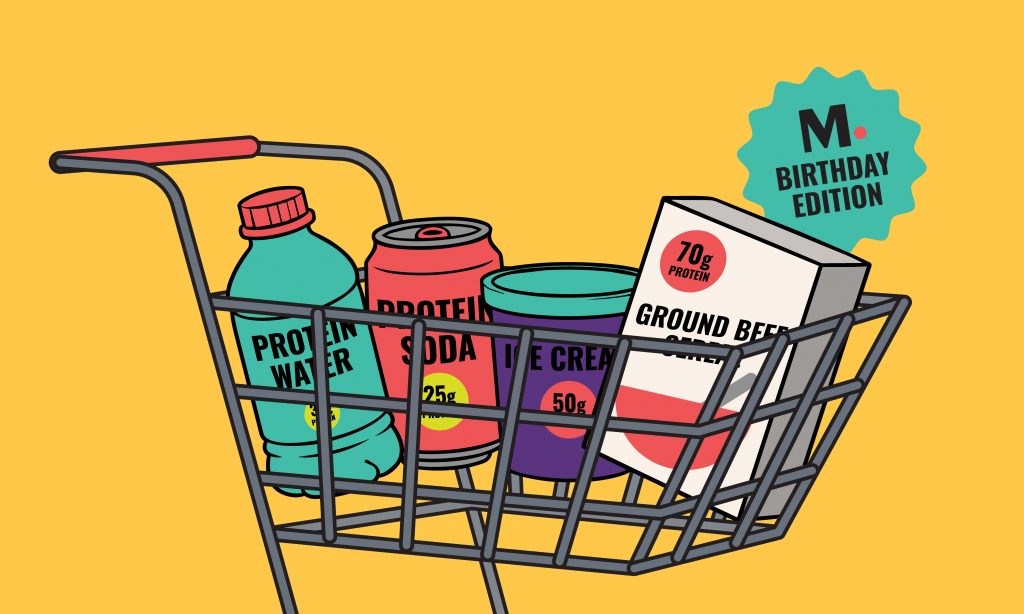
Do you crave excitement? Do you have a taste for the absurd? Are your taste buds tingling for the decadent combination of ground beef and milk in the morning? No? Doesn’t matter!
ICYMI, brands have been leaning into the ludicrous with products that pair diametrically opposed ingredients and flavors in places that don’t need it. Coming off the heels of April Fools Day joke product launches where we found ourselves wondering, ‘wait, is this real?’, the absurd has become the everyday in CPG. From Sunny D and Butterbeer-flavored peeps to soda overflowing with protein, it seems that many brands have lost the plot.
Jones Soda isn’t all to blame for this, but their infamous Thanksgiving soda ushered in an age of experimentation that’s only grown in weirdness. As people’s tastes evolve and new trends emerge, brands can’t help but optimize and overcorrect to fit into a novel category that’s doomed to change. Do we still see sugar-free snacks like Snackwells taking up shelf space? No, because the people want sugar – for now.
The other culprits in this era of mass weirdening are groupthink, social media, and the illusion of choice. It’s that same system of algorithm-fed trends and manufactured demand that dictates what feels necessary.
Protein has exploded in popularity, infiltrating seltzers, sodas, and your favorite childhood snacks. Also, like fiber, your body does indeed need protein to function, giving staying power to brands that put protein where it belongs. Rivo Protein Ice Cream stands out by amplifying the protein-rich ingredients already in ice cream, whereas a protein seltzer counts as a crime against nature, because, as we all know, there is no naturally occurring protein in water.
We’ve seen what happens when brands chase novelty for novelty’s sake. Crystal Pepsi came about in response to the ‘pure’ trend of the early ’90s, ultimately confusing customers with its mixed messaging and lack of caffeine. Despite the $40 million spent on marketing, Crystal Pepsi eventually followed in the footsteps of New Coke, becoming a punchline for late-night talk show hosts.
Liquid Death takes guardrails to the extreme – but with products that build on the existing brand tone and stay within their core beverage category. Except for their Spotify urn… and soda house. Ok, Liquid
Death is on plot-watch.
Dunkin’s recent foray into banana-inspired beverages brought with it gloriously unhinged Instagram posts. There’s no way Ben Affleck didn’t get a kick out of this weird raccoon pic. Mixing their feed with waves of “normal” corporate content, Dunkin’ keeps its DNA intact without alienating its audience.
A diehard Dunkin’ fan can still go find what they love on their Instagram page without getting too inundated by banana GIFs.
Brands need to either innovate quickly enough to meet the trend in the beginning, or not at all. Ask yourself: will this resonate with people a week from now? How about a month from now? As our attention spans shrink, the lifespan of a trend or meme shrinks with it.
Let the ship sail. Building a long-term strategy based on a dated trend creates a muddled brand identity and thousands of iterations of the Dubai Chocolate bar.
The brands that endure aren’t throwing spaghetti at a wall, so much as they are launching targeted spaghetti attacks on highly specific walls that they know spaghetti sticks to. When brands are grounded in who they are, even pickle-flavored hydration packs can feel intentional. It’s when all logic is abandoned that people start to taste the desperation.
Shoot me an email at [email protected] for more spaghetti metaphors.